What Are Signs of PCOS that Women Should Notice?
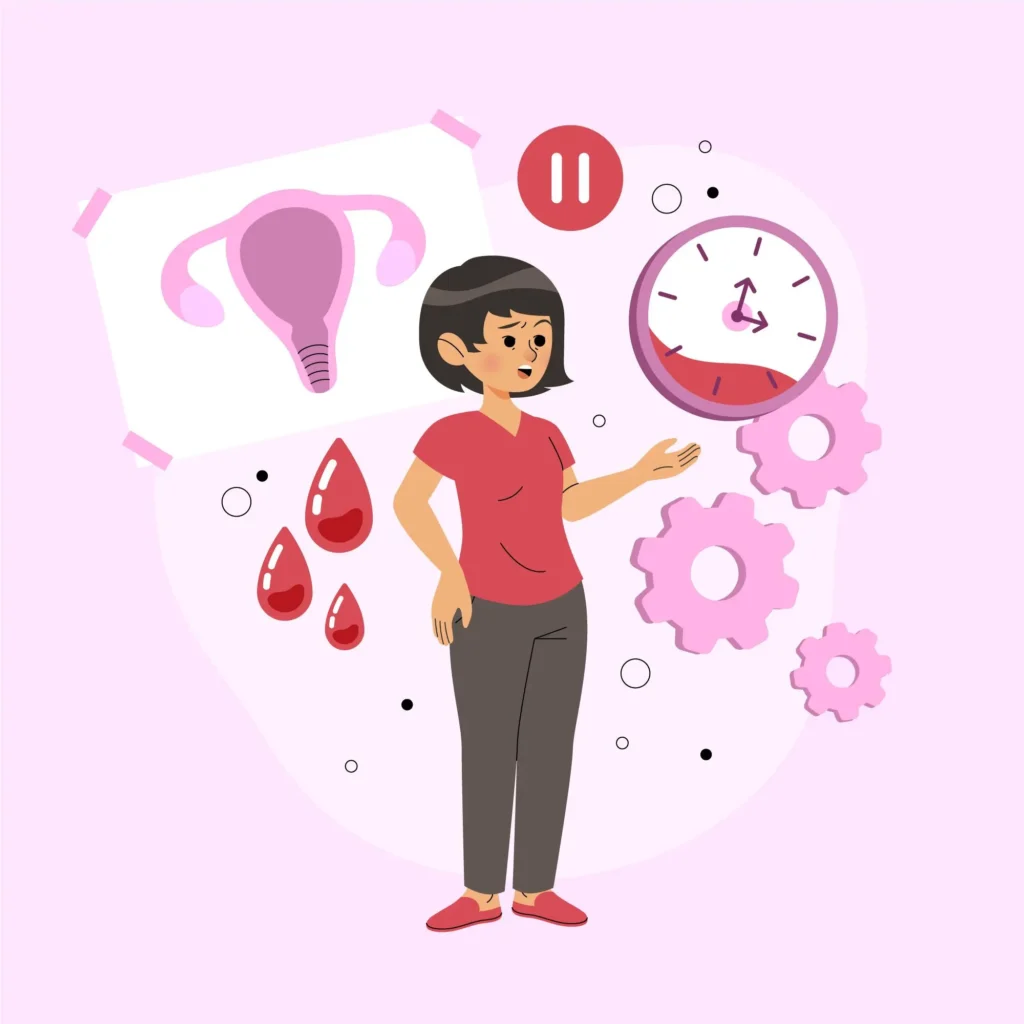
PCOS stands as Polysystic Ovary Syndrome affecting 1 in 10 women, which is a hormonal imbalance. Early awareness is essential for women to prevent long term reproductive, metabolic and other health complications. A study states that many women were unaware of the presence of this syndrome. Insulin resistance is commonly happening in PCOS that shows symptoms related differently for every woman. One of the common signs of this is missed or delayed periods, which continue for months. However, it is different for every woman based on age, severeness and other factors. When you find that your body has such signs, it is immediate to visit the doctor. Now, you are about to learn more about this and the earlier symptoms that you can notice.
What Is PCOS?
PCOS is a set of symptoms that happens in the woman’s body due to hormonal changes. Moreover, it affects the ovaries, which is the small organ that stores eggs. It even affects the entire body and causes different signs in it. You can usually identify this in women of childbearing age due to infertility problems. Treating this at the right time is essential to prevent some serious health issues.
Ovulation happens when a matured egg is given out from the ovary. In case of PCOS, the periods are delayed and the eggs may not get matured. Sometimes, women can’t make enough hormones that help in fertilizing the eggs. If the ovulation is not happening, there are some small cysts developed called fluid-filled sacs. These cysts form the hormones named as androgens. These are hormones found in men and very fewer in women. It is the reason behind some male signs like facial hairs occurring in women.
Medicine only helps in treating PCOS but there is no complete cure. Only a good lifestyle and healthy routines with proper food habits helps in treating it.
What are the Causes of PCOS?
Experts still now didn’t find any causes for PCOS but most women had experienced insulin resistance. Through this, they found that the body is struggling to use the insulin well. When the insulin level keeps on building in the body, which is the reason behind higher insulin levels. Weight gain and obesity also develop insulin resistance and PCOS level worst.
When your mother or sister has PCOS, it pushes you at the risk of getting PCOS. In addition, being obese and gaining weight often makes you get PCOS.
What Are The Common Signs of PCOS?
PCOS symptoms are numerous and listing you the common ones to identify the diagnosis below:
- Missed or delayed periods and sometimes light or heavy periods
- Ovaries enlarging and cysts are many inside
- Extra hair growth in body like face, body, legs due to androgens
- Weight gains particularly in belly
- Oily skin and getting acne often
- Male pattern baldness and thinning of hair
- Infertility issues
- Small extra skins under the chin and arms
- Dark patches in the skin like armpits, under the breasts and neck.
How Is PCOS Diagnosed?
Generally, you should visit a gynaecologist to treat PCOS, where they generally examine you. They will get your history and symptoms details and make you get a physical examination. It is one of the pelvic tests that helps in finding the ovary size and cysts present inside it. This even helps in bringing the problem in the reproductive organ both inside and outside of it.
Based on your symptoms they will suggest you tests like
- Ultrasound: In this test, they use soundwaves for creating the images of blood vessels, organs, tissues and others. This test even shows the size of the ovary and size of each cysts found inside. It even finds the thickness of the lining in the uterus (endometrium).
- Blood Tests: this test is mainly taken to find the high level of hormones like androgens and others. Healthcare providers even examine your blood glucose levels to regularize it. With the help of it, they find the cholesterol and triglyceride levels in the body.
How PCOS gets Treated?
Treatment of PCOS varies for each woman based on the factors and signs they go through. It is decided based on the age factor, severity, symptoms and also the overall health. These treatments are fixed based on how you want to get pregnant in the future.
If you want to be pregnant, the treatment includes as:
- Change in Diet & Lifestyle: healthy diet and proper workouts helps in reducing weight and treats the symptoms. It even helps in making your body use the insulin properly and makes you ovulate regularly.
- Medicines for Ovulation: healthcare providers give medicines that make you ovulate regularly. There are some effects shown through these medicines like bloating and pelvic pain.
Last Words
Many women in this generation are suffering from the PCOS symptoms and fertility issues. A proper change in lifestyle and food habit has high chances of regulating your periods and fertility issues. Include meditation, exercises, walking and avoid junk foods as well as sugar in diet. It will bring drastic changes in PCOS symptoms.
Frequently Asked Questions
1. What are the early signs of PCOS in women?
Early signs of PCOS include irregular periods, delayed menstruation, weight gain, acne, excess facial hair, thinning hair, and difficulty getting pregnant.
2. Can PCOS cause infertility?
Yes, PCOS can affect ovulation and make it difficult for women to conceive naturally. However, proper treatment and lifestyle changes can improve fertility.
3. Is PCOS curable permanently?
There is no complete cure for PCOS, but symptoms can be controlled effectively through healthy food habits, regular exercise, stress management, and medications.
4. What is the main reason behind PCOS?
The exact cause is unknown, but insulin resistance, hormonal imbalance, genetics, obesity, and unhealthy lifestyle are considered major reasons.
5. Does PCOS lead to weight gain?
Yes, many women with PCOS experience weight gain, especially around the belly area, due to hormonal imbalance and insulin resistance.
6. Can unmarried women get PCOS?
Yes, PCOS can affect any woman of reproductive age, whether married or unmarried.
7. How do doctors diagnose PCOS?
Doctors diagnose PCOS through physical examination, pelvic examination, ultrasound scan, and blood tests to check hormone levels.
8. What foods should women with PCOS avoid?
Women with PCOS should avoid junk foods, sugary drinks, processed foods, excess carbohydrates, and oily foods.
9. Which foods are best for managing PCOS?
Healthy foods like fruits, vegetables, whole grains, nuts, seeds, lean protein, and fiber-rich foods help manage PCOS symptoms naturally.
10. Can exercise help reduce PCOS symptoms?
Yes, regular exercise, walking, yoga, and workouts help reduce weight, improve insulin resistance, and regulate periods.