
How Mental Health Develops in Children?
In the modern world, children’s mental health becomes crucial due to various factors. More often they get irritated, feel anxious and sad at times because of stress. Other children find it difficult to sit and play, concentrate or interact with others. These may sound similar for many children but some may be facing serious health conditions. Parents should have an eye on the behavioural changes in each stage of their life. Nowadays, there are various awareness programs and paediatricians advice are available to have a clear idea. Similarly, now you are about to get some actual information that is essential regarding the mental health of children.
Which Type of Mental Disorders Can Affect Children?
Distinguishing the challenging behaviours and normal emotions in the developmental phase becomes hard. But, you can check for the constant movements and something felt not normal. You can even talk to your children and find their perspectives. It may help you find proper medical help to make them get well as soon as possible.
Where to Start While Concerning Children’s Mental Health?
Being proactive and watching out your child’s mental health is highly essential. You can even talk about their behaviour and who they have spent most time with. For example, you can ask their teachers in school or in day care and something related. If you witness any changes, make sure you seek the help from a pediatrician. Moreover, they will deeply observe the baby and get you know the outcomes.
How To Assess Children’s Mental Health?
Only the evaluation of mental health care providers will clearly let you know the problem. They will clarify each step with you like the behavior, emotions and current situation. Based on the situation, they will suggest some steps or treatments to be followed.
A comprehensive evaluation of their mental health includes:
- Interview with parents to discuss the child’s development, history, relationship with others like friends, family, medical history and other prior treatments.
- Getting their data from schools related to their behaviors, academics and difficulty in learning from their perspectives.
- If required they will directly interact with the child to know further.
Now, you are about to see some general questions to ask the professionals listed below:
When consulting a pediatrician, psychologist, psychiatrist, or mental health counselor, it is important to ask questions that help you understand your child’s condition and the available treatment options. Here are some useful questions:
- What signs or symptoms indicate that my child may have a mental health disorder?
- Is my child’s behavior normal for their age, or should I be concerned?
- What could be causing these emotional or behavioral changes?
- Does my child require further evaluation or testing?
- What type of treatment do you recommend?
- Are there any therapies that can help my child manage their emotions and behavior?
- How can I support my child at home?
- Should teachers or caregivers be involved in the treatment plan?
- How long will the treatment process take?
- Are there any warning signs that require immediate medical attention?
Common Mental Health Disorders in Children
Several mental health conditions can affect children and adolescents. Early identification and treatment can significantly improve their well-being and quality of life.
Anxiety Disorders
Children with anxiety disorders often experience excessive worry, fear, nervousness, or panic that interferes with daily activities. They may avoid social situations, school, or new experiences.
Attention-Deficit/Hyperactivity Disorder (ADHD)
ADHD can affect a child’s ability to focus, stay organized, and control impulsive behavior. Children may appear restless, easily distracted, or struggle with completing tasks.
Depression
Depression in children may present as persistent sadness, irritability, loss of interest in activities, changes in sleep patterns, or difficulty concentrating.
Autism Spectrum Disorder (ASD)
Children with ASD may experience challenges with communication, social interaction, and repetitive behaviors. Early intervention can greatly support development and learning.
Behavioral Disorders
Conditions such as Oppositional Defiant Disorder (ODD) and Conduct Disorder can cause persistent patterns of anger, defiance, aggression, or rule-breaking behaviors.
How Parents Can Support Their Child’s Mental Health
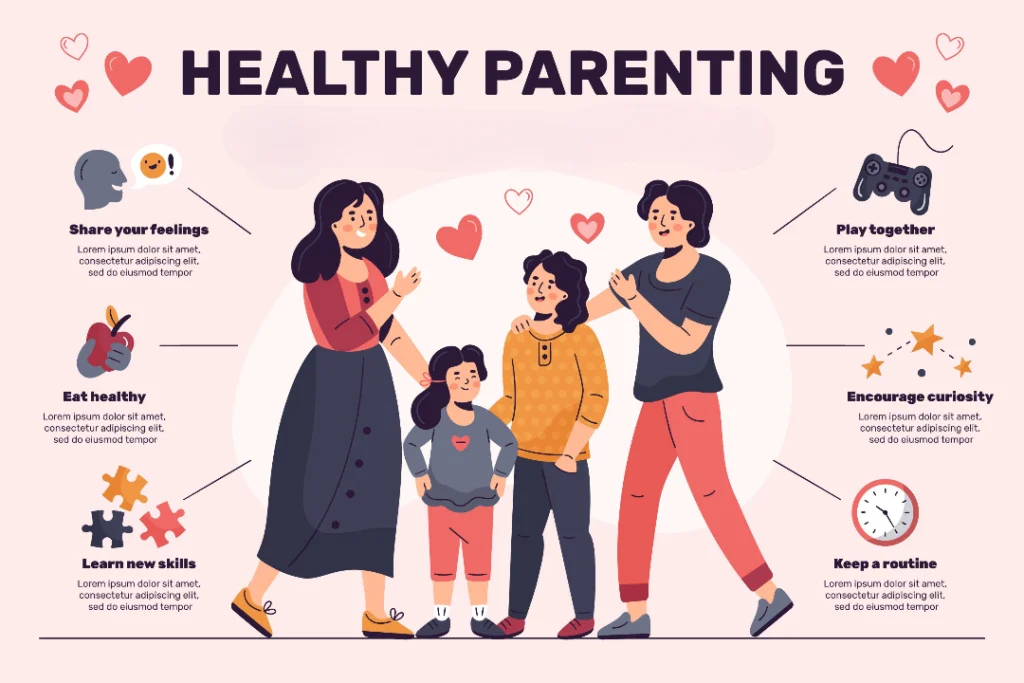
Parents play a vital role in promoting positive mental health. Some effective ways to support children include:
- Encourage open communication and active listening.
- Create a safe and supportive home environment.
- Establish consistent daily routines.
- Promote healthy eating habits and regular physical activity.
- Ensure adequate sleep according to the child’s age.
- Limit excessive screen time and encourage social interaction.
- Praise effort and achievements to build self-confidence.
- Seek professional help when concerns arise.
When Should Parents Seek Immediate Help?
Professional support should be sought immediately if a child:
- Talks about self-harm or suicide.
- Shows sudden and severe behavioral changes.
- Experiences extreme anxiety or panic attacks.
- Becomes aggressive toward themselves or others.
- Withdraws completely from family, friends, or activities they once enjoyed.
- Displays persistent sadness that affects daily functioning.
Final Thoughts
Children’s mental health is just as important as their physical health. Every child experiences emotional ups and downs during development, but persistent behavioral, emotional, or social difficulties should never be ignored. By staying observant, maintaining open communication, and seeking professional guidance when needed, parents can help their children grow into emotionally healthy and resilient individuals.
Early intervention, proper support, and a nurturing environment can make a significant difference in a child’s overall well-being and future success.